

Rare Earth Magnet Scrap Supply for Recyclers, Processors & Industrial Buyers
Stelbridge is a rare earth magnet scrap supplier and sourcing partner connecting manufacturers, scrap owners, recyclers, recovery companies, processors, and industrial buyers with commercially relevant magnet feedstock. We support opportunities involving NdFeB magnet scrap, production scrap, rejected magnets, magnet swarf, end-of-life magnets, and other rare earth bearing magnetic materials.
Rare earth permanent magnets contain strategically important materials in highly concentrated forms. Neodymium iron boron magnets, commonly known as NdFeB magnets, are especially important because they can contain neodymium and praseodymium, while certain grades also use dysprosium or terbium to improve performance at elevated temperatures.
Stelbridge evaluates magnet scrap as part of our broader critical mineral feedstock supply work. Our role is commercial rather than technological. We help identify suitable material, organize the information required by downstream processors, connect qualified counterparties, and coordinate physical material transactions.
What Buyers Need to Know About Rare Earth Magnet Scrap
- Magnet type, grade, and known alloy composition
- Rare earth content or analytical data where available
- Whether the material is post-industrial or end-of-life scrap
- Available quantity and recurring generation volume
- Physical form such as whole magnets, pieces, swarf, fines, or powder
- Coatings, adhesives, oils, binders, or other attached materials
- Degree of contamination and material segregation
- Origin, location, packaging, and sample availability
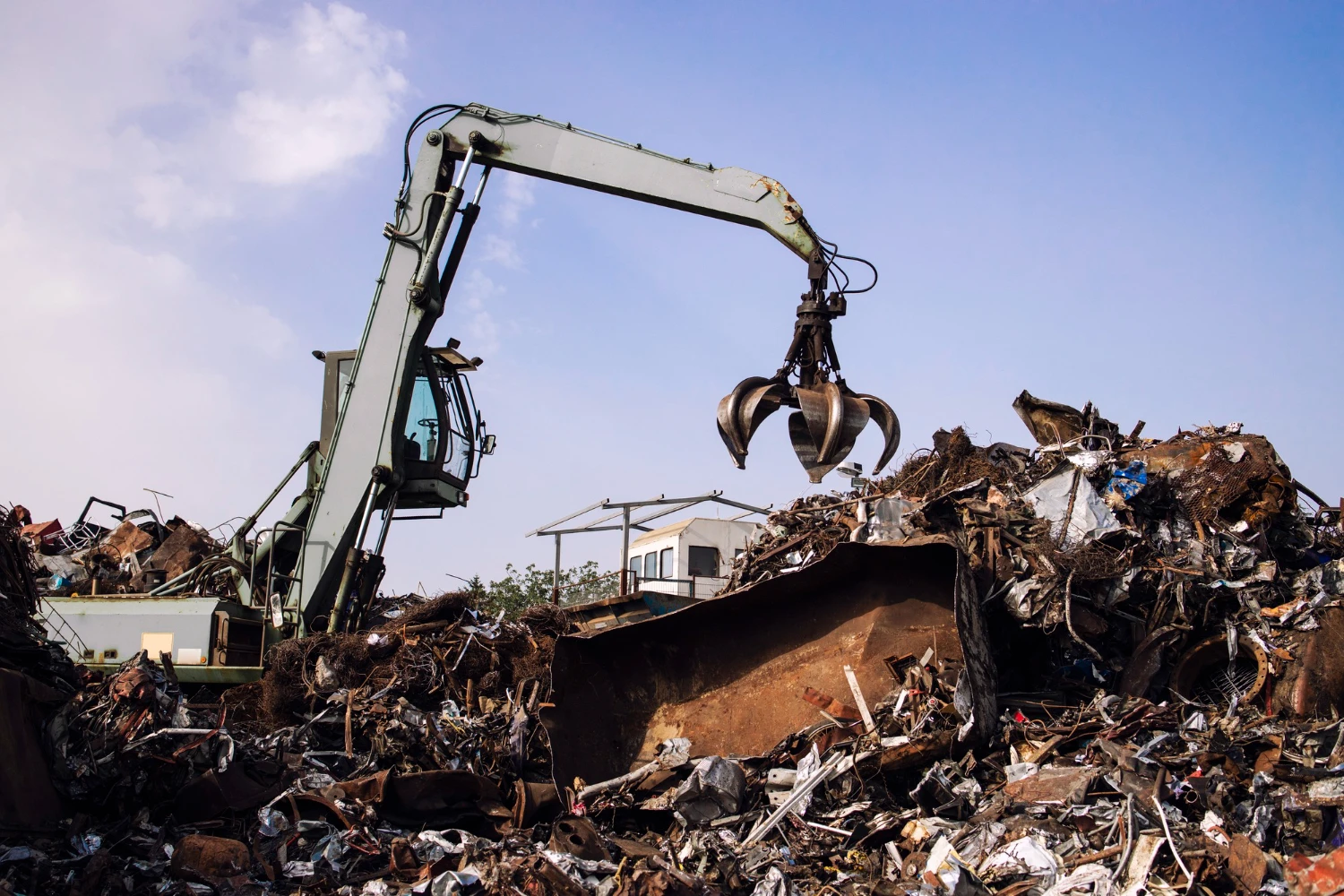
What Is Rare Earth Magnet Scrap?
Rare earth magnet scrap is magnetic material containing rare earth elements that becomes available during magnet manufacturing, component production, equipment manufacturing, product disassembly, or end-of-life recovery. Depending on its origin and condition, the material may be suitable for direct magnet recycling, alloy recovery, rare earth extraction, or another specialized processing route.
The most commercially significant category is NdFeB magnet scrap. These magnets combine rare earth elements with iron and boron to produce very high magnetic strength. They are widely used in electric motors, industrial equipment, electronics, wind power systems, automotive applications, medical equipment, and other advanced technologies.
Rare earth magnet scrap should not be treated as one uniform commodity. Different magnet grades, manufacturing methods, coatings, attached components, contamination levels, and rare earth compositions can affect the value of the material and determine which recycling process can accept it.
Rare Earth Magnet Scrap We Help Source & Market
NdFeB Production Scrap
Magnet manufacturing and downstream component production can generate clean or segregated NdFeB scrap before the material reaches an end user. Known composition and relatively consistent quality can make post-industrial magnet scrap particularly relevant to specialized recycling and recovery operations.
Magnet Swarf, Fines & Grinding Material
Cutting, grinding, machining, and finishing rare earth magnets can generate swarf, fines, powder, and other small particles. Buyers typically need information about composition, oxidation, cutting fluids, moisture, contamination, and how the material has been collected and stored.
Rejected & Off-Spec Magnets
Magnets rejected because of dimensional, magnetic, coating, or manufacturing specifications may still contain recoverable rare earth material. Whole magnets with known grades can present a different recovery opportunity from mixed or highly contaminated scrap.
End-of-Life NdFeB Magnets
Rare earth magnets recovered from motors, generators, drives, electronics, industrial equipment, and other end-of-life products can enter specialized recycling supply chains once magnets are separated and sufficiently characterized.
Samarium Cobalt Magnet Scrap
SmCo magnets represent another category of rare earth permanent magnet material. Their composition and downstream processing requirements differ from NdFeB magnets, so they should be identified and marketed separately rather than combined into an undefined mixed magnet stream.
Who We Work With in the Rare Earth Magnet Scrap Market
How Stelbridge Supports Rare Earth Magnet Scrap Transactions
Magnet Scrap Sourcing
We identify potential NdFeB and other rare earth magnet scrap supply based on magnet type, composition, physical form, quantity, location, contamination limits, and processor requirements.
Processor & Buyer Identification
Suppliers with rare earth magnet scrap may require a specialized buyer rather than a conventional scrap outlet. Stelbridge works to connect appropriate material with recyclers, recovery companies, processors, and other qualified counterparties.
Material Qualification
We organize available information regarding magnet grade, composition, quantity, physical condition, coatings, contamination, production origin, photographs, packaging, and samples before presenting material to prospective buyers.
Commercial Coordination
Stelbridge supports discussions around samples, testing, material specifications, accepted quantities, pricing, packaging, delivery terms, and other commercial conditions required to advance a transaction.
Strategic Feedstock Procurement
Processors seeking recurring material can use Stelbridge's broader strategic sourcing capabilities to identify and develop additional supply channels.
Information to Provide When You Have Rare Earth Magnet Scrap for Sale
A recycler or processor needs to know considerably more than the total weight of a magnet scrap lot. Clear information about the source, grade, composition, physical form, and contamination can help determine whether a material fits the receiving operation before time is spent on sampling, transportation, or commercial negotiations.
Why NdFeB Magnet Scrap Is Important to Rare Earth Recovery
NdFeB magnets contain rare earth elements in a pre-concentrated manufactured material. This makes magnet scrap fundamentally different from many dilute secondary mineral sources. Depending on the grade, origin, and recycling route, processors may seek to recover magnet alloy directly or separate the constituent rare earth elements for further refining.
Neodymium is a central component of NdFeB magnets. Praseodymium is also commonly associated with commercial magnet alloys, while selected high-performance grades can contain dysprosium or terbium to support performance under demanding operating conditions.
Exact composition should be established from known magnet specifications, supplier data, analytical testing, or other appropriate documentation rather than inferred from appearance alone.
Post-Industrial Magnet Scrap vs. End-of-Life Magnets
Post-industrial magnet scrap originates before a finished product reaches its end user. Examples include manufacturing scrap, machining material, offcuts, swarf, rejected magnets, and excess production inventory. These streams can be attractive because their source and composition may be easier to document and the material may have lower levels of contamination.
End-of-life magnet scrap comes from products and equipment that have already been used. Magnets may need to be dismantled or separated from motors, drives, electronics, generators, medical equipment, or other assemblies before they become suitable recycling feedstock.
Both sources can be commercially useful, but they present different collection, preparation, contamination, testing, and logistics requirements. Stelbridge evaluates each opportunity according to the acceptance criteria of the intended processor.
Rare Earth Magnet Scrap Is Not the Same as Mixed Electronic Scrap
A separated batch of known NdFeB magnets is a very different feedstock from mixed electronics, shredded equipment, or an assembly that still contains many unrelated materials. The more diluted the magnet content becomes, the more preprocessing may be required before a rare earth recovery operation can use the material.
This distinction is important when describing material to potential buyers. A processor requesting NdFeB magnet scrap may not be equipped to receive whole electronic products, complete motors, mixed e-waste, or unsorted scrap containing unknown magnetic material.
Material that falls into a broader recycling category may instead be more appropriately marketed through Stelbridge's scrap and secondary materials network.
Where Recovered Rare Earth Magnet Material Can Re-enter the Supply Chain
Rare earth magnet recycling does not lead to one universal output. The route depends on the technology used by the processor and the condition of the feedstock. Some processes recover magnet alloy or powder that can be used as material for new magnets, while others separate rare earth elements into compounds that undergo additional refining before returning to manufacturing.
This creates relationships between magnet scrap suppliers, recyclers, rare earth processors, metallurgical operations, and the downstream magnet manufacturing industry. Stelbridge works across these physical supply relationships rather than representing one specific recovery technology.
What Determines the Value of Rare Earth Magnet Scrap?
Magnet scrap is not priced solely according to gross weight. Buyers evaluate the recoverable material within the lot and the work required to process it. Two shipments of the same weight can therefore have substantially different commercial characteristics.
The Right Buyer Depends on the Magnet Scrap
A clean batch of rejected NdFeB magnets with a known grade may appeal to a different buyer than oxidized grinding swarf or magnets dismantled from end-of-life equipment. Processing technology, permitted feedstocks, contamination limits, minimum quantities, and desired recovered products differ between recycling operations.
Stelbridge therefore does not approach magnet scrap as an interchangeable commodity. We use the available material information to determine which buyer group is most relevant and coordinate further technical evaluation where an initial commercial fit exists.
Our Rare Earth Magnet Scrap Sourcing & Supply Process
-
01
Define whether the requirement involves sourcing rare earth magnet scrap or finding a qualified market for available material.
-
02
Review magnet type, grade, composition, quantity, physical form, source, contamination, location, and available supporting information.
-
03
Identify recyclers, processors, recovery companies, suppliers, or buyers whose feedstock requirements align with the material.
-
04
Coordinate photographs, specifications, samples, analytical data, testing requests, and preliminary material acceptance discussions.
-
05
Establish accepted specifications, quantity, pricing structure, packaging, delivery terms, and other transaction requirements.
-
06
Support documentation, procurement, logistics, and commercial communication through completion of the physical material transaction.
Why Work With Stelbridge for Rare Earth Magnet Scrap?
- Focused on physical critical mineral and industrial material transactions
- Support for both magnet scrap suppliers and feedstock buyers
- Commercial coordination based on actual material characteristics
- Access to international processing, recycling, and industrial supply networks
- Support for one time inventories and recurring manufacturing scrap streams
- Integration with procurement, trading, sourcing, and supply chain capabilities
Supporting Both Primary & Secondary Rare Earth Supply
Recycled magnet feedstock represents one route into the rare earth supply chain. Industrial buyers may also require refined metals, oxides, primary material, or other forms depending on their manufacturing process.
Stelbridge supports these broader requirements through its rare earth metals supply and critical minerals trading capabilities, allowing clients to evaluate multiple physical supply channels according to their material requirements.
Rare Earth Magnet Scrap FAQs
What is NdFeB magnet scrap?
NdFeB magnet scrap is material from neodymium iron boron permanent magnets that becomes available during manufacturing, machining, component production, product rejection, dismantling, or end-of-life recovery. Depending on its condition and composition, it may be used as feedstock by specialized magnet recycling or rare earth recovery operations.
Can Stelbridge help if we have rare earth magnet scrap for sale?
Yes. Stelbridge can review information about the magnet scrap and evaluate potential processors or buyers. Useful information includes magnet type, grade, composition, quantity, physical form, contamination, coatings, origin, location, photographs, and sample availability.
Can Stelbridge source NdFeB magnet scrap for a recycler or processor?
Yes. Buyers can provide their accepted magnet types, grades, composition requirements, physical forms, contamination limits, minimum quantities, preferred origins, destination, and whether they are seeking one time inventories or recurring supply.
Which rare earth elements are found in NdFeB magnets?
Neodymium is a principal rare earth component of NdFeB magnets, and commercial alloys commonly also involve praseodymium. Certain magnet grades can contain dysprosium or terbium. Exact composition varies by grade and manufacturer and should be confirmed through specifications or appropriate analysis.
Do you work with magnet manufacturing scrap?
Yes. Manufacturing scrap can include rejected magnets, offcuts, swarf, grinding fines, powders, broken magnets, and other post-industrial material. Recurring, segregated streams with known composition can be particularly relevant to processors seeking consistent recycling feedstock.
Do you work with end-of-life rare earth magnets?
Yes. End-of-life magnets can be evaluated when sufficient information is available about the material. Magnets that have already been separated from equipment and characterized are generally easier to present to specialized processors than mixed or unidentified assemblies.
What affects the value of rare earth magnet scrap?
Commercial value can depend on magnet type, grade, rare earth composition, material purity, oxidation, coatings, attached materials, contamination, physical form, lot size, recurring volume, location, preprocessing requirements, and the recovery route used by the buyer.
Do you accept mixed electronic waste containing magnets?
The requirements depend on the downstream processor. A buyer seeking separated NdFeB magnet scrap may not accept complete electronics, motors, or mixed e-waste. Provide a clear description and photographs of the material so Stelbridge can determine whether there may be a suitable commercial route.
Does Stelbridge recycle rare earth magnets?
Stelbridge focuses on physical material sourcing, commodity trading, procurement, commercial coordination, and supply chain support. We connect suitable magnet scrap opportunities with qualified recycling and processing organizations rather than representing Stelbridge as the recycling technology provider.
Looking to Buy or Sell Rare Earth Magnet Scrap?
If you have NdFeB magnet scrap, manufacturing scrap, rejected magnets, magnet swarf, end-of-life magnets, or another rare earth bearing magnetic material, send Stelbridge the available specifications, quantity, physical form, origin, location, photographs, and composition data for an initial commercial review.
Recyclers and processors can also contact us with specific rare earth magnet feedstock requirements. Include accepted magnet types, grades, physical forms, contamination limits, minimum quantities, preferred origin, destination, and expected purchasing volume so we can evaluate potential supply channels.
Discuss Your Magnet Scrap Requirements