

Connecting Mine Tailings Supply With Qualified Processors & Buyers
Stelbridge is a mine tailings supplier and sourcing partner for mining companies, tailings owners, mineral processors, recovery operations, refiners, and industrial buyers evaluating secondary sources of critical minerals. We help identify commercially relevant tailings opportunities and connect available material with organizations equipped to evaluate, process, recover, or purchase it.
Mine tailings can represent a potential secondary mineral resource when they contain recoverable metals or minerals that fit the technical and commercial requirements of a downstream processor. Historical mines may contain material produced under very different recovery economics, while operating mines can generate ongoing tailings streams from processes designed around a primary commodity rather than every mineral present in the ore.
Stelbridge approaches these opportunities as part of our broader critical mineral feedstock supply work. Our role is to understand the available material, organize the information a buyer needs, identify appropriate counterparties, and support the commercial transaction from initial review through procurement and delivery.
What Buyers Need to Know About a Mine Tailings Opportunity
- Mineral composition, assay data, and grades of potential interest
- Mineralogy and the form in which target elements occur where known
- Total available tonnage and expected future production
- Tailings origin, mine type, and processing history
- Physical characteristics, particle size, moisture, and consistency
- Known contaminants or elements that may affect processing
- Location, storage conditions, and practical access to the material
- Sample availability for independent technical evaluation
What Are Mine Tailings?
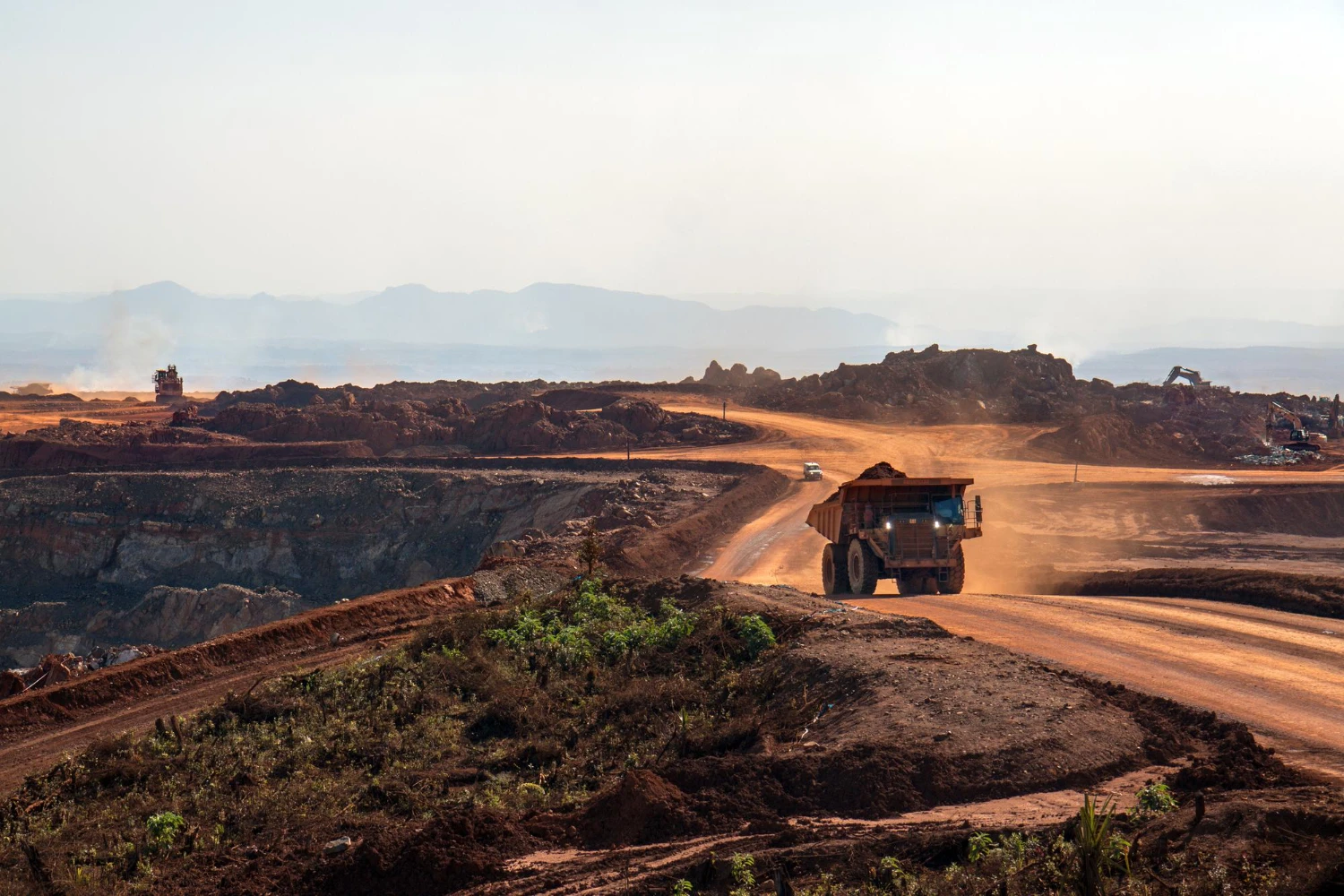
Mine tailings are the material remaining after mined ore has been crushed, ground, concentrated, or otherwise processed to recover the primary target commodity. Depending on the deposit and the process originally used, the remaining material can still contain minerals that were not recovered during initial production.
This can happen for several reasons. A mineral may not have been commercially important when the mine was operating. Recovery technology may have been unable to separate it efficiently. The processing circuit may have been designed around another commodity, or the concentration of a secondary element may not have justified additional recovery at the time.
For this reason, historical and current mine tailings can sometimes be evaluated as secondary feedstock. They should not, however, be treated as automatically valuable. A useful tailings opportunity requires sufficient technical information to determine whether the material fits a realistic downstream processing route.
Mine Tailings Supply Opportunities We Evaluate
Historical Mine Tailings
Legacy tailings from former mining operations may warrant renewed evaluation where historical processing focused on different commodities or used older recovery technology. Available records, assays, sampling, and current mineralogical analysis are particularly important when evaluating these materials.
Active Mine Tailings
Operating mines can generate recurring tailings streams with a more predictable production profile. Where secondary mineral values are present, an ongoing stream may provide a potential feedstock source for a processor capable of handling the material.
Mill & Concentrator Tailings
Tailings generated after crushing, grinding, flotation, gravity separation, or other concentration processes can retain mineral values that were not recovered by the original circuit. Their suitability depends heavily on mineralogy and previous processing history.
Stockpiled Tailings
Existing stockpiles can provide defined inventories for projects seeking a known volume of secondary feedstock. Sampling quality, stockpile consistency, accessibility, ownership, material condition, and logistics all need to be understood before commercial discussions progress.
Tailings With Byproduct Mineral Potential
Some tailings contain secondary minerals that were not the primary target of the original mine. Where analysis demonstrates potentially useful concentrations, Stelbridge can help identify processors or buyers with an appropriate recovery pathway.
Who We Work With in the Mine Tailings Market
How Stelbridge Supports Mine Tailings Transactions
Tailings Sourcing
We search for tailings opportunities based on the minerals of interest, acceptable material characteristics, required quantities, geographic preferences, and the technical capabilities of the receiving processor.
Buyer & Processor Identification
For tailings owners seeking a commercial outlet, Stelbridge works to identify qualified processors, refiners, recovery companies, and mineral buyers whose requirements align with the available material.
Opportunity Qualification
We organize assay data, material descriptions, quantities, location information, processing history, sampling information, photographs, and other relevant documentation before presenting an opportunity to prospective counterparties.
Commercial Coordination
Stelbridge coordinates discussions around samples, testing, specifications, quantities, pricing structures, material acceptance requirements, delivery terms, and other commercial conditions needed to advance a potential transaction.
International Trade Coordination
Where material and buyer are located in different markets, we can support commercial coordination through our broader global procurement capabilities.
Information to Provide When You Have Mine Tailings for Sale
Mine tailings cannot be marketed effectively from a material name and estimated tonnage alone. Processors need enough information to determine whether further evaluation is justified. Providing a clear technical profile at the beginning can significantly improve the quality of prospective buyer discussions.
Why Grade Alone Does Not Determine Tailings Value
An assay can show that a target element is present, but it does not necessarily show whether that element can be recovered efficiently. The mineral or mineral phase hosting the element can have a major influence on the processing method required to separate and concentrate it.
This is why prospective processors may request mineralogical analysis, representative samples, metallurgical testing, or additional characterization before making a commercial decision. Stelbridge does not represent laboratory analysis as a substitute for processor evaluation. Instead, we help organize available information and connect the material with counterparties capable of conducting the appropriate technical review.
Mine Tailings as a Potential Source of Critical Minerals
Modern mineral markets are increasingly evaluating secondary and unconventional material sources alongside primary mine production. Tailings can be relevant where analytical and mineralogical work identifies material that fits an established or emerging recovery process.
The mineral of interest will depend entirely on the original deposit and processing circuit. Stelbridge's broader critical mineral network includes germanium, gallium, tungsten, molybdenum, and rare earth metals. The presence of any of these materials in a particular tailings stream must be established through appropriate analysis rather than assumed from the mine type alone.
Once a potentially relevant mineral profile has been established, the next question is whether a processor exists with suitable recovery capabilities and commercial interest in that specific material.
Mine Tailings, Waste Rock & Mineral Concentrates Are Different Materials
Clear material classification matters when approaching potential buyers. Mine tailings are generally generated after ore has entered a mineral processing circuit. Waste rock is material removed during mining that was not processed as ore. A mineral concentrate is the upgraded product produced when a processing operation successfully separates and concentrates the desired mineral.
These materials can require completely different handling, sampling, processing, and commercial approaches. Buyers seeking conventional ores and mineral concentrates may therefore have very different requirements from a processor specifically designed to recover minerals from tailings or other secondary feedstocks.
Not Every Tailings Deposit Is a Commercial Feedstock
The existence of valuable elements in mine tailings does not automatically create a viable transaction. Recovery economics depend on a combination of grade, mineralogy, recovery rates, process requirements, contaminants, scale, material consistency, transportation, market conditions, and the value of the recoverable products.
A large stockpile with weak recovery characteristics may be less attractive than a smaller but consistent stream that fits an existing processing circuit. Likewise, a technically recoverable mineral may still be commercially difficult if the material is located far from suitable processing infrastructure.
Stelbridge focuses on connecting realistic opportunities. Where the available data suggests a potential fit, our next step is to identify counterparties whose technical and commercial requirements align with the material.
Our Mine Tailings Sourcing & Supply Process
-
01
Define whether the requirement involves sourcing mine tailings or finding a market for existing material.
-
02
Review assays, mineralogy, quantity, location, processing history, physical characteristics, and other available technical information.
-
03
Identify processors, recovery operations, suppliers, or buyers whose requirements match the material profile.
-
04
Coordinate samples, technical documentation, additional testing requests, and initial commercial discussions.
-
05
Establish specifications, accepted quantity, pricing structure, delivery terms, and other transaction requirements.
-
06
Support procurement, documentation, logistics, and communication through completion of the physical material transaction.
Why Work With Stelbridge for Mine Tailings Supply?
- Focused on physical critical mineral and industrial material transactions
- Support for both tailings owners and feedstock buyers
- International sourcing and downstream buyer coordination
- Commercial review built around actual material data
- Access to mining, processing, refining, and industrial supply networks
- Support from initial qualification through logistics and delivery coordination
Commercial Support Across the Mining Supply Chain
Tailings opportunities often involve more than identifying a buyer. A project may require coordination with mine owners, processors, international counterparties, logistics providers, or other commercial participants. Stelbridge supports these requirements through its broader mining brokerage and strategic sourcing capabilities.
Whether the requirement involves an existing tailings stockpile, an ongoing production stream, or a processor searching for suitable secondary feedstock, the objective remains the same: establish a commercially workable connection between available material and qualified demand.
Mine Tailings Supply FAQs
What are mine tailings?
Mine tailings are materials remaining after mined ore has been processed to recover one or more target commodities. Depending on the original deposit and processing method, tailings may still contain minerals that were not recovered during initial production.
Can mine tailings contain recoverable critical minerals?
Yes, some mine tailings can contain critical minerals or other secondary mineral values. Whether those materials can be commercially recovered depends on factors including grade, mineralogy, processing requirements, recovery rates, quantity, contaminants, location, and downstream market demand.
Can Stelbridge help if we have mine tailings for sale?
Yes. Stelbridge can review available information about the material and determine whether there may be processors, recovery operations, refiners, or other qualified buyers that fit the opportunity. Providing assays, quantity, location, processing history, mineralogy, and representative samples where available can improve the initial evaluation.
Can Stelbridge source mine tailings for a processor?
Yes. Processors can provide their target minerals, acceptable grades, feedstock characteristics, impurity limits, required quantity, geographic preferences, and other technical criteria. Stelbridge can use these requirements when evaluating potential mine tailings supply opportunities.
What assay information should a tailings owner provide?
Provide the most recent representative elemental analysis available, including grades for target minerals and relevant contaminants. Information about sampling methodology, mineralogy, moisture, particle size, and previous metallurgical testing can also be useful depending on the material and prospective recovery process.
Does a high metal concentration guarantee that mine tailings are valuable?
No. Concentration is only one factor. The mineral form hosting the target element, recoverability, contaminants, available quantity, processing cost, transportation, recovery yield, and market value can all affect whether a tailings opportunity is commercially viable.
Do you work with historical mine tailings?
Yes. Historical tailings can be evaluated where ownership is clear and sufficient information is available to understand the material. Older tailings may be of interest where original processing methods did not recover mineral values that a modern processor is capable of evaluating.
Can you support recurring mine tailings supply?
Yes. Active mining operations may generate recurring tailings streams, while some projects involve a fixed historical stockpile. Stelbridge can support either structure when the material meets a buyer's technical and commercial requirements.
Does Stelbridge process or reprocess mine tailings?
Stelbridge focuses on sourcing, physical commodity trading, commercial coordination, procurement, and supply chain support. We connect suitable tailings opportunities with processors and recovery companies capable of conducting the required technical evaluation and processing.
Looking to Buy or Sell Mine Tailings?
If you own mine tailings that may contain commercially relevant critical minerals, send Stelbridge the available assay data, mineralogy, estimated quantity, location, processing history, and any supporting technical information for an initial review.
Processors and buyers can also contact our team with specific mine tailings feedstock requirements. Include the target mineral, acceptable material characteristics, grade requirements, quantities, preferred origin, destination, and any processing constraints so we can evaluate potential supply.
Discuss Your Mine Tailings Requirements