

Critical Mineral Feedstock Supply for Processors, Refiners & Industrial Buyers
Stelbridge serves as a critical mineral feedstock supplier and sourcing partner for processors, refiners, recovery operations, manufacturers, mining companies, and industrial buyers seeking commercially viable material streams. We help connect available feedstocks with organizations equipped to process, refine, recover, or purchase the material.
Feedstock opportunities can originate at several points in the mineral supply chain. They may include mine tailings, mineral processing residues, manufacturing byproducts, rare earth magnet scrap, mineral concentrates, and other secondary materials containing recoverable or commercially useful minerals. Stelbridge supports both sides of these transactions by helping buyers identify supply and helping material owners reach qualified counterparties.
Our focus is commercial. We evaluate each opportunity around the actual material, available technical information, quantity, location, processing requirements, logistics, and buyer demand. For companies sourcing broader critical minerals, feedstock procurement can also provide an additional route to supply beyond conventional primary production.
What Makes a Critical Mineral Feedstock Opportunity Worth Evaluating?
- Known or estimated mineral composition and grade
- Representative assays, analysis, or technical data where available
- Defined quantity and ongoing or one time availability
- Clear material origin and current location
- Physical form, moisture, particle size, and relevant contaminants
- A practical processing, refining, recovery, or end use pathway
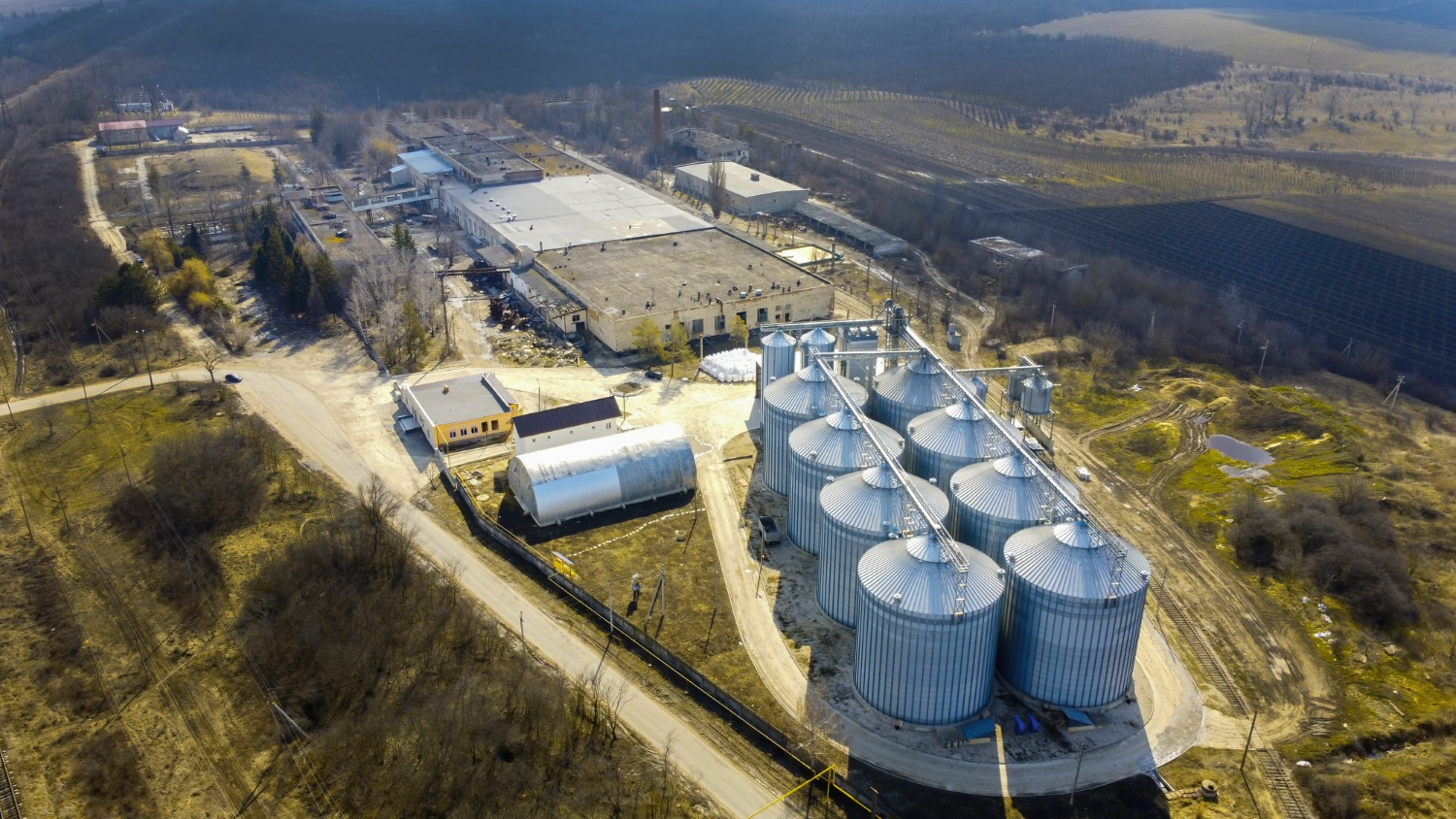
What Is Critical Mineral Feedstock?
Critical mineral feedstock is material supplied as an input to a processing, recovery, refining, or manufacturing operation because it contains minerals or metals of potential commercial value. The material does not need to begin as a conventionally mined ore. Useful feedstocks can also come from historical mining activity, current mineral processing, manufacturing, recycling, and other industrial operations.
This distinction matters. A tailings pile, residue, or industrial byproduct is not automatically a viable feedstock simply because it contains a critical mineral. Commercial suitability depends on concentration, mineralogy, physical characteristics, contaminants, recoverability, quantity, consistency, transportation requirements, and the capabilities of the intended processor.
Stelbridge helps organize these commercial variables before connecting a material owner with a processor or buyer. This reduces time spent pursuing materials that do not fit the downstream operation and gives qualified opportunities a clearer route to market.
Critical Mineral Feedstocks We Source & Market
Mine Tailings
Historical and active mine tailings may retain minerals that were not originally recovered because of past economics, processing limitations, or differences in the original production target. We help evaluate mine tailings supply opportunities for processors seeking suitable secondary mineral resources.
Manufacturing Byproducts
Industrial production can generate byproduct streams containing metals or minerals that may have value to a specialized processor. Stelbridge works to connect qualifying manufacturing byproducts with buyers that understand the material and its potential recovery pathway.
Mineral Processing Residues
Concentration, smelting, refining, and other processing stages can leave residues containing secondary mineral values. Their commercial potential depends heavily on composition, previous processing history, impurities, available tonnage, and the capabilities of the receiving facility.
Rare Earth Magnet Scrap
Production scrap and other suitable rare earth magnet material can provide feedstock for recovery operations. NdFeB material is particularly relevant to neodymium, while certain magnet grades may also contain dysprosium or terbium.
Mineral Concentrates
Mineral concentrates provide a more conventional feedstock route for smelters, refiners, processors, and other downstream buyers. Stelbridge supports sourcing and commercial coordination for concentrate opportunities based on grade, specification, origin, quantity, and destination.
Who We Work With
How Stelbridge Supports Critical Mineral Feedstock Transactions
Feedstock Sourcing
We identify available material streams based on the mineral of interest, feedstock type, required volume, technical parameters, geographic preference, and downstream processing needs.
Buyer Identification
Material owners may have a viable feedstock without an established downstream market. Stelbridge helps identify processors, refiners, recovery companies, and industrial buyers whose requirements fit the material.
Material Qualification
We organize the commercial and technical information a prospective buyer needs to review, including available assays, composition, form, quantity, location, processing history, photographs, sampling information, and supply continuity.
Commercial Coordination
We coordinate discussions around pricing structure, specifications, sampling, quantity, delivery expectations, documentation, and other transaction requirements between counterparties.
Supply Chain Coordination
Once commercial terms are established, Stelbridge can support the practical movement of material through its broader supply chain solutions capabilities.
Information Buyers Need Before Evaluating a Feedstock
The fastest way to determine whether a feedstock has a realistic market is to provide specific information from the beginning. Different processors have different acceptance criteria, so a clear material profile helps Stelbridge identify appropriate counterparties rather than circulating an undefined opportunity.
Feedstocks Can Carry Value Beyond the Primary Mineral
A material stream may contain more than one element of commercial interest. Depending on its origin and mineralogy, a feedstock can contain primary commodities alongside byproduct or secondary mineral values. Understanding the full composition is therefore important before deciding where the material belongs in the market.
Stelbridge's broader material network includes strategically important metals such as germanium, gallium, indium, tungsten, molybdenum, rare earth elements, and other specialty materials. The presence of any particular element does not by itself establish recoverability or commercial value, but complete analytical data can help identify the most appropriate downstream route.
Primary and Secondary Sources Can Serve Different Supply Needs
Conventional mines and mineral concentrates remain fundamental to critical mineral supply. Secondary feedstocks can complement those sources where a processor has the technology and economics to recover value from a residue, tailings stream, manufacturing byproduct, or recycled material.
For buyers, this can broaden the range of potential supply channels. For mining companies, manufacturers, and material owners, it can create a commercial route for material that may otherwise remain outside the traditional mineral market.
Stelbridge also works with scrap and secondary materials where the transaction is better suited to a conventional recycling or secondary raw material market.
Where Critical Mineral Feedstocks Enter the Supply Chain
Our Critical Mineral Feedstock Sourcing Process
-
01
Define the material being offered or the feedstock a buyer needs.
-
02
Review composition, quantity, location, physical form, technical data, and other available information.
-
03
Identify processors, refiners, suppliers, or buyers whose requirements fit the opportunity.
-
04
Coordinate technical review, samples, additional documentation, and commercial discussions where required.
-
05
Establish specifications, quantity, pricing structure, delivery terms, and transaction requirements.
-
06
Support procurement, documentation, logistics, and communication through completion of the transaction.
Why Work With Stelbridge for Critical Mineral Feedstock Supply?
- Access to international critical mineral supply and buyer networks
- Experience coordinating physical material transactions
- Support for both conventional and secondary feedstock opportunities
- Commercial coordination between material owners and downstream processors
- Integration with global procurement, strategic sourcing, and logistics
- Case by case evaluation based on real material data and buyer requirements
Critical Mineral Sourcing Beyond Feedstocks
Feedstock supply is one part of Stelbridge's broader work across physical critical mineral markets. Buyers that require refined materials, primary mineral supply, alternative suppliers, or longer term procurement support can also work with Stelbridge through our critical minerals trading, global procurement, and strategic sourcing capabilities.
Critical Mineral Feedstock FAQs
What is a critical mineral feedstock?
A critical mineral feedstock is material supplied to a processing, refining, recovery, or manufacturing operation because it contains one or more minerals or metals of potential commercial value. Feedstocks can include concentrates, mine tailings, processing residues, manufacturing byproducts, recycled material, and certain forms of industrial scrap.
Does Stelbridge source mine tailings?
Stelbridge evaluates mine tailings opportunities where sufficient information is available to understand the material and identify an appropriate downstream market. Useful information includes assays, mineralogy where available, volume, location, physical characteristics, processing history, and sample availability.
Can Stelbridge help sell mineral processing residues or manufacturing byproducts?
Yes. We can evaluate processing residues and manufacturing byproducts for potential placement with qualified processors or buyers. Commercial viability depends on the material's composition, quantity, consistency, location, processing requirements, and downstream demand.
Do you work with rare earth magnet scrap?
Yes. Stelbridge can evaluate rare earth magnet scrap and production scrap opportunities, including NdFeB material, for suitable recovery and processing markets. Buyers may require details regarding magnet type, composition, coatings, contaminants, form, quantity, and whether the supply is recurring or a one time inventory.
What information should I provide if I have feedstock available for sale?
Start with the material type, available quantity, location, composition or assay, physical form, processing history, known contaminants, photographs, and whether samples are available. If the material is produced continuously, include the approximate monthly or annual volume.
Can Stelbridge find critical mineral feedstock for a specific processing facility?
Yes. Buyers can provide their target minerals, acceptable feedstock types, grade or assay requirements, impurity limits, preferred physical form, minimum quantities, destination, and other technical criteria. Stelbridge can use those requirements to search for appropriate supply opportunities.
Does every material containing critical minerals have commercial value?
No. The presence of a critical mineral does not automatically make a material economically recoverable or marketable. Grade, mineralogy, recovery method, impurities, quantity, consistency, logistics, processing costs, and prevailing buyer requirements all affect commercial viability.
Does Stelbridge handle international critical mineral feedstock transactions?
Yes. Stelbridge works across international supply chains and can coordinate sourcing, commercial discussions, documentation, and logistics for suitable feedstock transactions between suppliers and buyers in different markets.
Looking to Source or Sell Critical Mineral Feedstock?
If you have mine tailings, mineral processing residues, manufacturing byproducts, rare earth magnet scrap, mineral concentrates, or another critical mineral bearing material, send us the available information for an initial commercial review.
Buyers can also contact Stelbridge with specific feedstock requirements. Include the mineral of interest, acceptable material types, target specifications, required quantity, destination, and any processing constraints so our team can evaluate potential supply channels.
Discuss Your Feedstock Requirements